What to Include in the Form
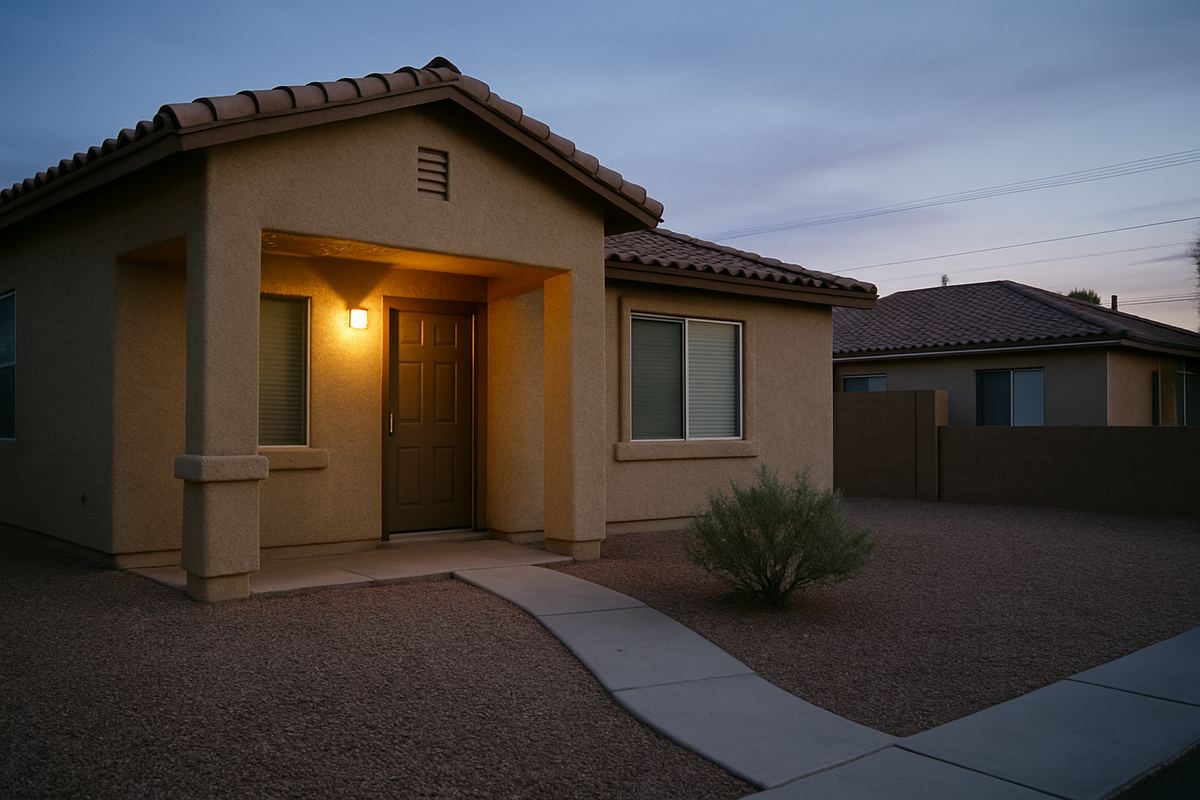
The more we know at the start, the fewer questions we need to ask later. None of these are required, but they help. Before you write, you might glance at how we approach landlords and tenants.
The property
The street address, the number of bedrooms and bathrooms if you know them, and a sentence about condition. A house that needs significant work is welcome.
The tenancy
Whether the house is occupied, whether the lease is fixed-term or month-to-month, and whether the tenant has a voucher. A rental that is currently empty is simpler still.
Who manages it
Whether you self-manage or use a property manager, and roughly where you live if you are outside Nevada. If a manager handles day-to-day contact with the tenant, let us know whether you would like us to coordinate the walk-through through them. Owners in another state often prefer that, and our page for the landlord selling from outside Nevada explains how the remote version usually works.
Please leave out sensitive personal details about the tenant, such as income or account numbers. We do not need them to evaluate the house. You do not need to attach the lease or any documents at this stage. A short description is enough for a first look, and we can ask for paperwork later if you decide to keep going.
What Happens After You Send It
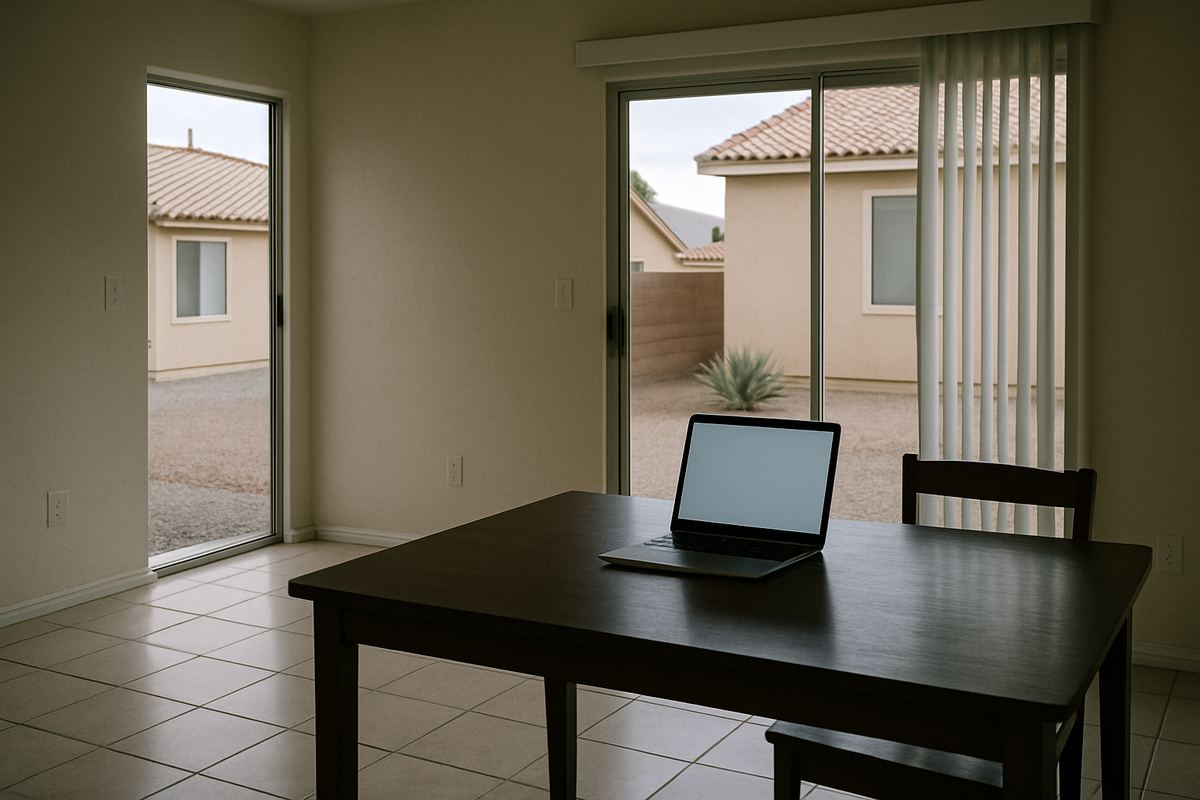
We read the details and follow up
We will reach out to ask about the lease, the deposit, and how the tenant prefers to be contacted, then line up whatever comes next on a schedule that suits you as the landlord. We will not contact your tenant directly unless you ask us to. The sale process from start to finish shows each stage.
No pressure, no obligation
You can stop at any point. If you would like background first, the common questions from landlords page and our overview of valley rental areas are both good places to start.