Start by naming the actual problem
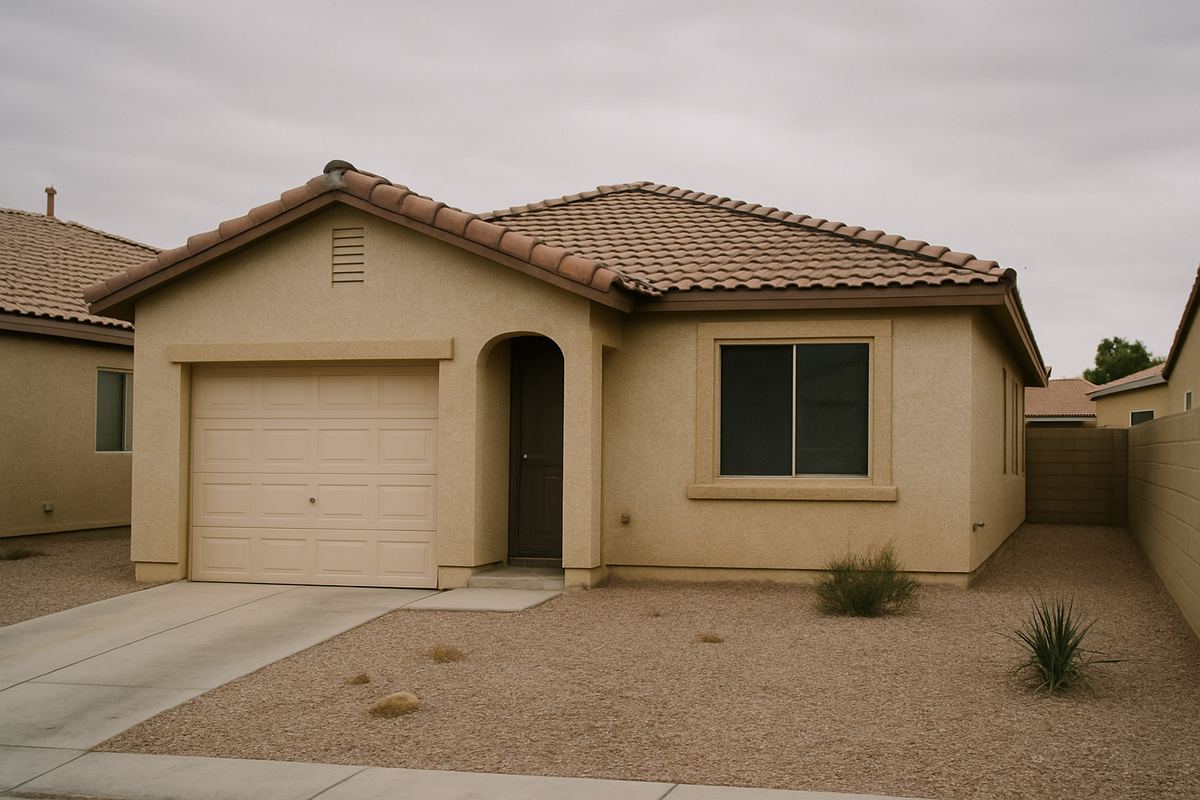
Landlords use the phrase problem tenant for very different situations: a household that fell behind after a job loss, a lease violation like an unapproved pet, damage, neighbor complaints, or a tenant who stopped answering. Each one has a different legal path in Nevada, and some are not really problems with the tenant at all but with a lease that never fit. Being specific helps you decide whether to fix the tenancy, wait it out, or sell the house with the situation disclosed.
Things that are not yours to do
Changing locks, shutting off utilities, removing belongings, or threatening someone to leave are self-help measures Nevada law restricts, and NRS 118A also prohibits retaliation against tenants who exercise their rights. We will not buy a house on the condition that you push anyone out, and we would discourage it even if a buyer asked.
It also helps to separate what you know from what you suspect. A neighbor's complaint, a utility shutoff notice, or a gap in rent are facts. Assumptions about why they happened are not, and they tend to harden positions on both sides. Write down dates, amounts, and any notices exchanged before you call anyone, including us.
Nevada's summary eviction process, at a distance
This is a general picture, not legal advice. For unpaid rent, Nevada uses a summary eviction process that begins with a written seven-day notice to pay or quit, counted in judicial days. A tenant can respond by filing an affidavit with the justice court, which leads to a hearing. If no affidavit is filed, the landlord can ask the court for an order. Other notices apply to lease violations and nuisance. The legislature has debated changes to this process in recent sessions, so confirm the current rules with the court's self-help resources or the statute itself, which lives in Nevada's chapter 40 on property actions.
Selling while a case is open
An open eviction case will not automatically block a sale of the rental, though it must be disclosed and coordinated, because the person who holds the landlord's rights can change mid-case. Talk to whoever is handling your case before you sign a purchase contract so the timing does not create a mess for the court, for you, or for the tenant.
When things are calm but rent is late
Many owners find that a frank conversation, a written payment plan, or simply letting the lease run to its end works better than litigation. Those are your decisions to make. We can buy the house in any of those scenarios.
What we look at in a strained tenancy
- A copy of the lease and any notices already served.
- Your rent ledger, including deposits and any partial payments.
- Whether a case is filed, and its status if so.
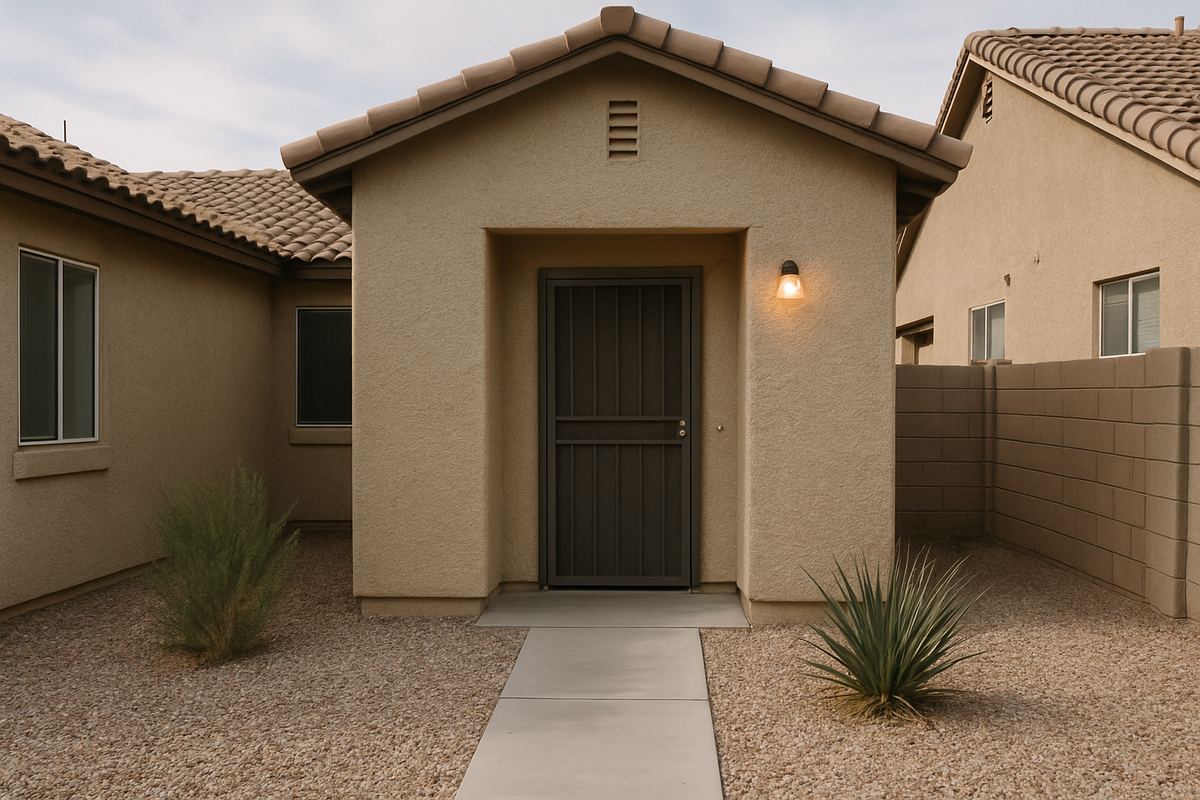
- What you know about the condition of the house, even if you have not been inside lately.
Not having been inside for a while is common. We buy as-is and account for unknowns in our offer rather than asking you to force an inspection the tenant has not agreed to. Entry still follows Nevada's notice rules, which are summarized on our page about selling a rental with the lease still running.
How the tenancy shapes an as-is offer
We do not penalize an owner for being honest about a hard situation. A disclosed dispute is something a buyer can plan around; a surprise discovered after closing is not. When the tenancy is strained, the offer reflects what we can and cannot see, the lease terms we would be stepping into, and the time it may take the situation to settle through normal, lawful channels. You can accept it, compare it, or wait, and the tenancy continues under its own rules regardless of what you decide.
A careful path to closing
- Tell us what is happening in plain terms, including any notices or filings, and share the lease.
- Get your attorney's or manager's view on timing if a case is open, so the sale does not interfere with the court process.
- Receive our written offer on the rental as-is, reflecting the tenancy as it actually is.
- Choose the closing date that fits the legal timeline, with deposit transfer and tenant notice handled through escrow.
Owners who want the full sequence can compare it with our plain explanation of how a cash sale closes.
Where this tends to come up
Strained tenancies happen everywhere, from older single-story homes in our East Las Vegas and Sunrise Manor rentals coverage to newer two-story houses in the Enterprise rental neighborhoods farther south. Location changes the house, not the rules.
When you are simply worn out
If one bad tenancy has made you rethink owning rentals at all, our page for landlords ready to stop managing rentals may be closer to where you are. And if the dispute has left the house in rough shape, see the notes on selling a rental that needs serious repair work.
A word on the tenant's side
People fall behind for reasons that are often temporary. Rental assistance programs, legal aid, and court self-help centers exist in Clark County for tenants too. Pointing a tenant toward those resources is a decent thing to do and sometimes resolves the problem without anyone going to court. More common questions are answered on our frequently asked landlord questions page.