The Five Steps, in Order
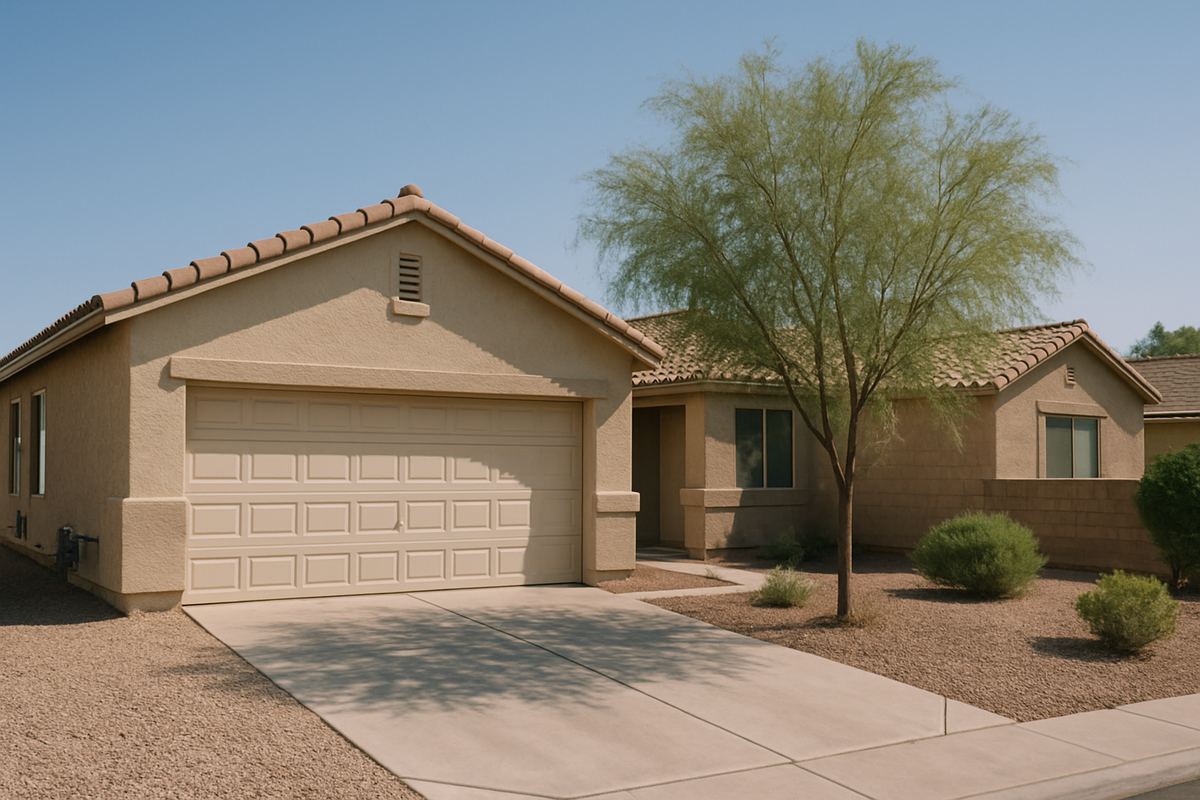
Nothing on this list requires you to repair the house, empty it, or hire anyone. Each step is something we either do ourselves or ask you for once. For landlords curious about who sits across the table, the story of who buys these rentals is brief.
- Tell us about the house and the tenancy. The address, rough condition, whether it is occupied, the current rent, and whether a property manager is involved. That is enough to start.
- We review the lease and any management agreement. We read the lease term, renewal language, any clause about a sale, pet and occupant terms, and the deposit amount. If a property manager handles the house, we look at that agreement's termination terms too.
- One walk-through, with proper notice. You or your manager give the tenant written notice under Nevada's entry rules, and we visit at an agreed time. For some houses, photos or a video call are enough at first.
- We make a written cash offer. The offer reflects the rental in its present condition and the tenancy exactly as it is. You pick the closing date, and there is no obligation to accept.
- Closing, with the deposit transferred on paper. A title company handles the closing. Before the deed records, the remaining security deposit is transferred to us in writing, rent is prorated, and the tenant receives written notice of the new owner.
Steps two and three can happen in either order. Some landlords want the lease read before anyone visits the house; others would rather we see the property first and sort the paperwork afterward. Either way, nothing becomes binding until you sign a written purchase agreement, and you are free to walk away before then without owing anything. If you are still weighing whether to sell the rental at all, that is a reasonable place to be, and we are glad to answer questions without starting the clock on anything.
Throughout the process, one point stays constant: the tenant keeps living in their home under the terms they signed. A sale changes who collects the rent, not the lease itself.
Why the Lease Review Comes Early
A lease shapes almost every other part of the sale, so we look at it before we talk numbers.
Fixed term or month to month
A fixed-term lease generally continues after a sale, so we plan on honoring it. A month-to-month tenancy is more flexible, though ending one still takes proper written notice. If you are unsure which kind you have, the lease itself usually answers that, and the answers to common landlord questions cover the basics.
Property manager agreements
Many valley landlords use a manager, and management agreements often include notice periods or fees tied to termination or a sale. Reading it early helps you time the closing date. This is especially relevant for an owner who manages a Las Vegas rental from another state, where the manager is the person on the ground.
Voucher and assistance tenancies
When a tenant has a housing choice voucher, the housing authority's contract with the owner needs to be reassigned to the new owner. Our page about selling a rental with a voucher tenant explains that piece.
The Walk-Through and the Tenant
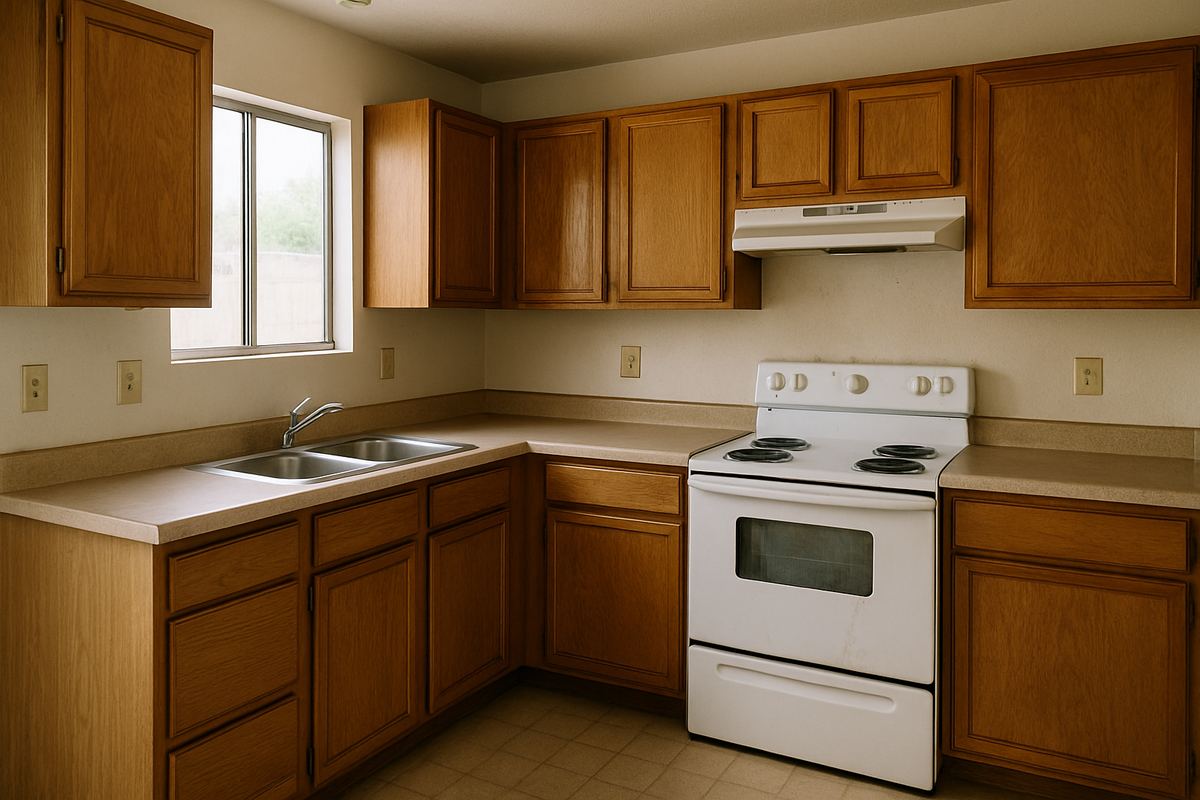
We keep the visit short and respectful. Nevada generally requires at least 24 hours of notice for entry outside an emergency, and showing a house to a purchaser is a recognized reason. We would rather give more notice than the minimum.
What we look at during the visit
The roof and the rooftop or ground-mounted cooling equipment, plumbing under sinks, the water heater, flooring, and any obvious damage. We do not open closets full of the tenant's belongings or photograph their personal things. For a house with serious problems, the page on rentals needing major repairs describes what we tend to see.
If the tenant is hard to reach
If the relationship is strained, we can work through your manager or wait until a better time. We never ask you to pressure anyone, and the guide to selling with a difficult tenant covers that case in more detail.
Closing Day and After
Closing happens through a title company, and you can usually sign from wherever you are. On the deposit, Nevada's statute expects the departing landlord to put the transfer in writing before the deed records, and the tenant then learns in writing who now holds it. Rent for the closing month is generally split between seller and buyer by the day.
What the tenant receives
A written notice with the new owner's name and how to pay rent going forward. Nothing about their lease terms changes because of the sale.
If your house is empty, closing is simpler still; the page on selling a vacant rental covers that version. If your rental sits in a particular part of town, the overview of the valley's rental areas may answer local questions, and the rental offer request form is the starting point when you are ready.