The lease usually outlives your ownership
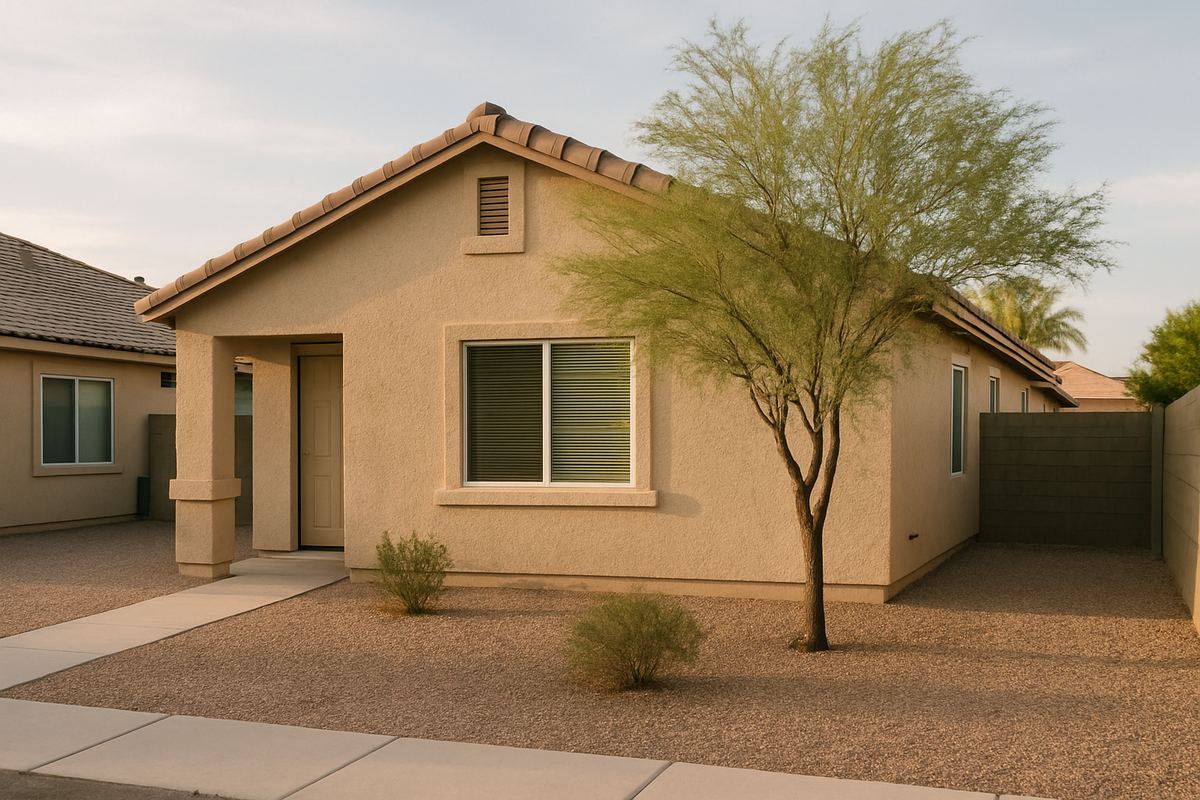
A common worry among valley landlords is that a sale forces a choice between breaking a lease and waiting it out. Nevada law points the other way. Under NRS 118A.349, when a rental is voluntarily sold, the new owner generally takes on the rights and obligations of the previous landlord under the rental agreement. Rent, the end date, pet terms, and who handles what all carry forward until the agreement ends or is lawfully changed. Read your own lease and talk with a Nevada attorney if anything in it is unusual, because the details of a specific agreement matter.
The buyer steps into your role
For a buyer like us, that is the expected starting point rather than a problem. We buy rentals as-is with the occupant in place, so the tenant keeps living there under the same terms and simply sends rent to a new party after closing. If you want to see the order of events from first conversation to recorded deed, our walkthrough of each stage in a landlord's cash sale covers through it.
Month-to-month is still a tenancy
A tenant who has rolled onto month-to-month still has rights. Nevada generally requires written notice to end a periodic tenancy, commonly at least 30 days for a monthly arrangement under NRS 40.251, with extra time available to some older or disabled tenants who ask for it. Selling the house is not a shortcut around that notice, and we would rather buy with the household in place than ask you to rush anyone.
Showings, inspections, and the 24-hour rule
Traditional listings can mean a parade of strangers through someone else's home. Nevada's entry rule, found in NRS 118A.330, says that outside an emergency a landlord gives at least 24 hours' notice and enters at reasonable times during normal business hours, unless the tenant agrees otherwise for a particular visit. The same statute lets a landlord show the unit to prospective buyers, and it forbids using access to harass a tenant. You can read the wording yourself in Nevada's landlord and tenant chapter, NRS 118A.
One visit instead of many
Because we buy as-is, we normally need far less time inside than a retail buyer, an appraiser, and an inspector would each want separately. We schedule through you, you give the notice the law requires, and we keep the walk-through short. No staging, no cleaning, and no repairs are expected of you or your tenant.
Deposits and prepaid rent at the closing table
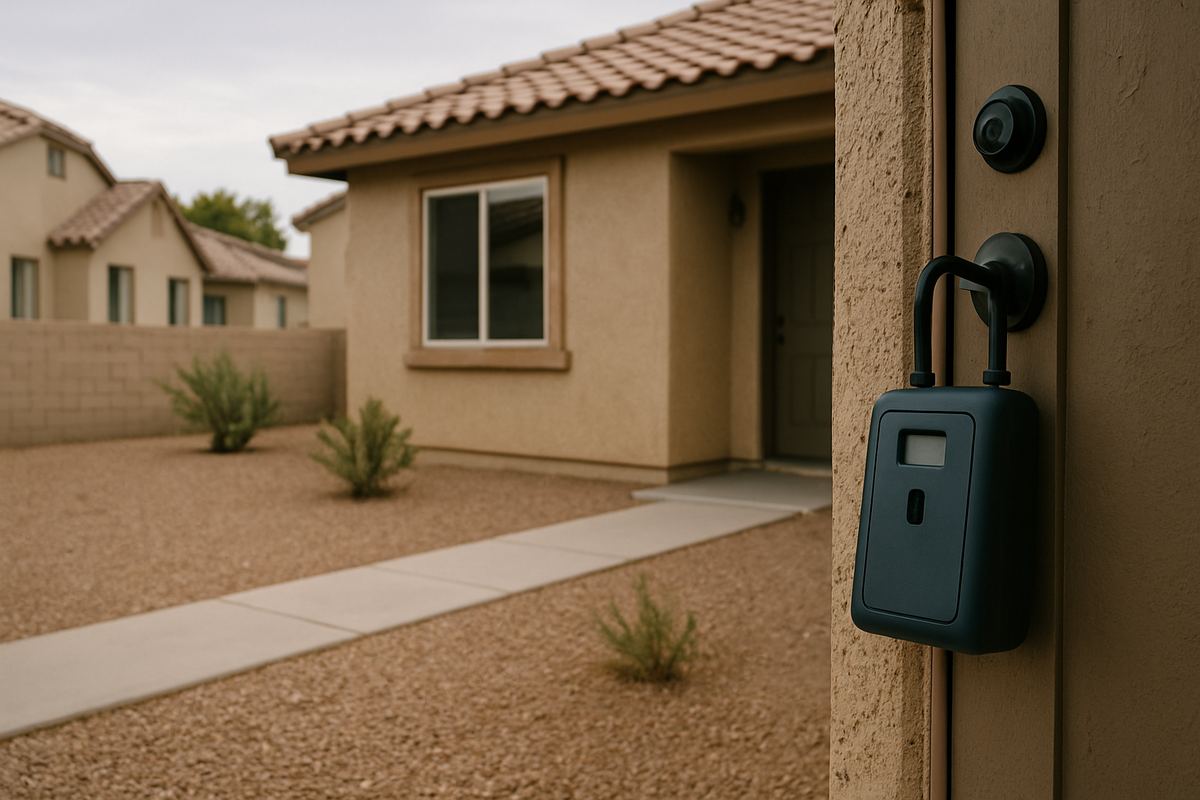
The security deposit is the tenant's money held under rules, not part of your sale proceeds. NRS 118A.244 generally requires a landlord, before recording a deed, to transfer the remaining deposit to the successor in writing or confirm that it has already been returned, and to tell the tenant who now holds it. The successor then takes on the obligations attached to that deposit and should not demand a second one during the lease term.
What we ask you to gather
A copy of the lease and any addenda, the deposit amount, any prepaid rent, a move-in condition record if you have one, and the tenant's contact details. The title or escrow company handles prorations. If your rental has a voucher tenant, the paperwork has one more layer, which our page on selling a house with a housing choice voucher tenant covers.
How an occupied sale with us usually runs
- You share the address, the lease terms, and anything you know about the condition. We do not need to walk the house at this stage.
- We arrange one short visit, with the 24-hour notice coming from you so the tenant hears it from the person they already know.
- You receive our written cash offer on the rental as-is, with the lease and deposit handled as part of the deal.
- You pick the closing date that suits you, and escrow prepares the deposit transfer and rent proration.
- After recording, the tenant gets a written notice naming the new owner and explaining where to pay rent.
Owners of rentals near campus, covered on our Paradise rental homes page, often find this the simplest path because they never have to coordinate a vacancy. The same holds for houses described on our North Las Vegas rental properties page and the HOA communities on the Henderson rentals page.
Being fair to the household that lives there
A sale is unsettling news for a tenant even when nothing about their lease changes. Telling them early, plainly, and in writing tends to prevent rumors and missed rent. We encourage owners to say that the lease continues, that the deposit is being transferred, and who to call with repair requests after closing.
When the relationship is already strained
If rent has been late or there is an open dispute, that will not block the rental sale, though it should be disclosed and handled through proper channels rather than pressure. Our page on selling when a tenant situation has gone sideways explains how we approach that without asking anyone to bend the rules.
When you live far from the house
Many occupied rentals belong to owners who moved away years ago. If that describes you, the notes on selling a Las Vegas rental from another state cover managers, signatures, and remote closings. Answers to shorter questions sit on our landlord seller questions page, and every other circumstance is collected on the overview of landlord selling situations.