The repairs that push valley owners to sell
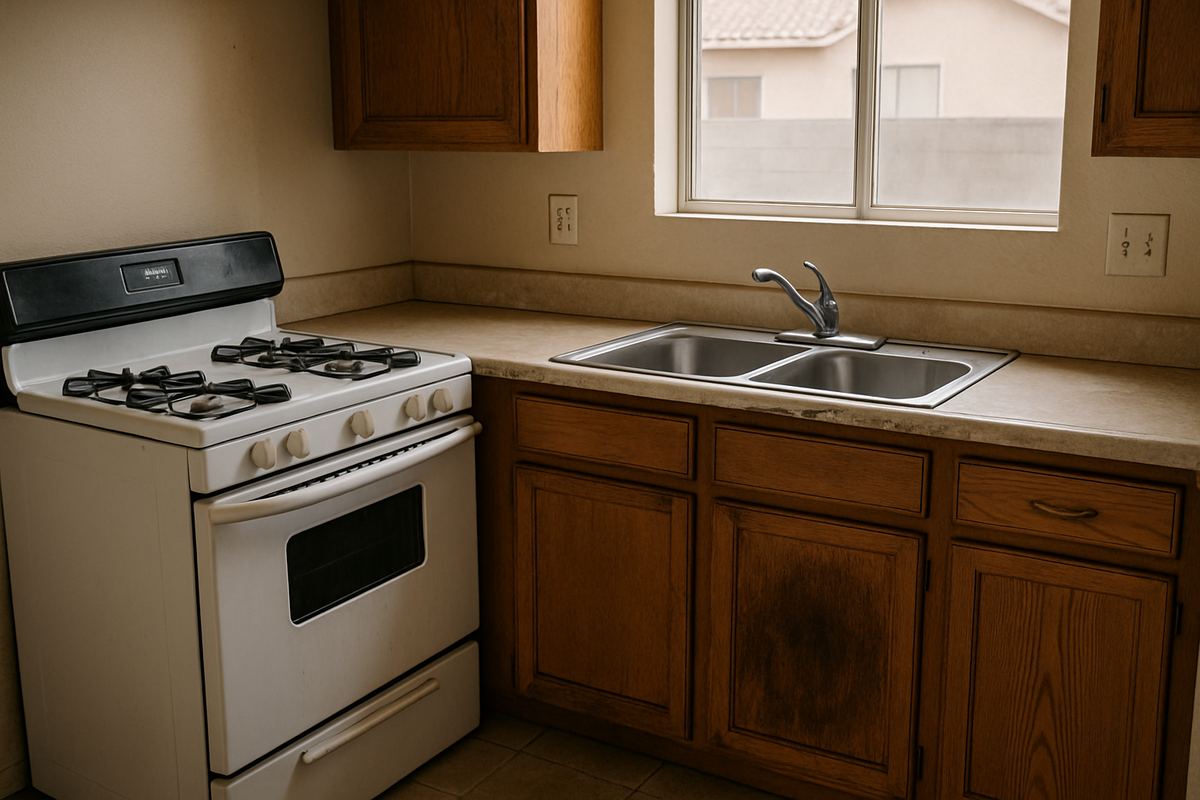
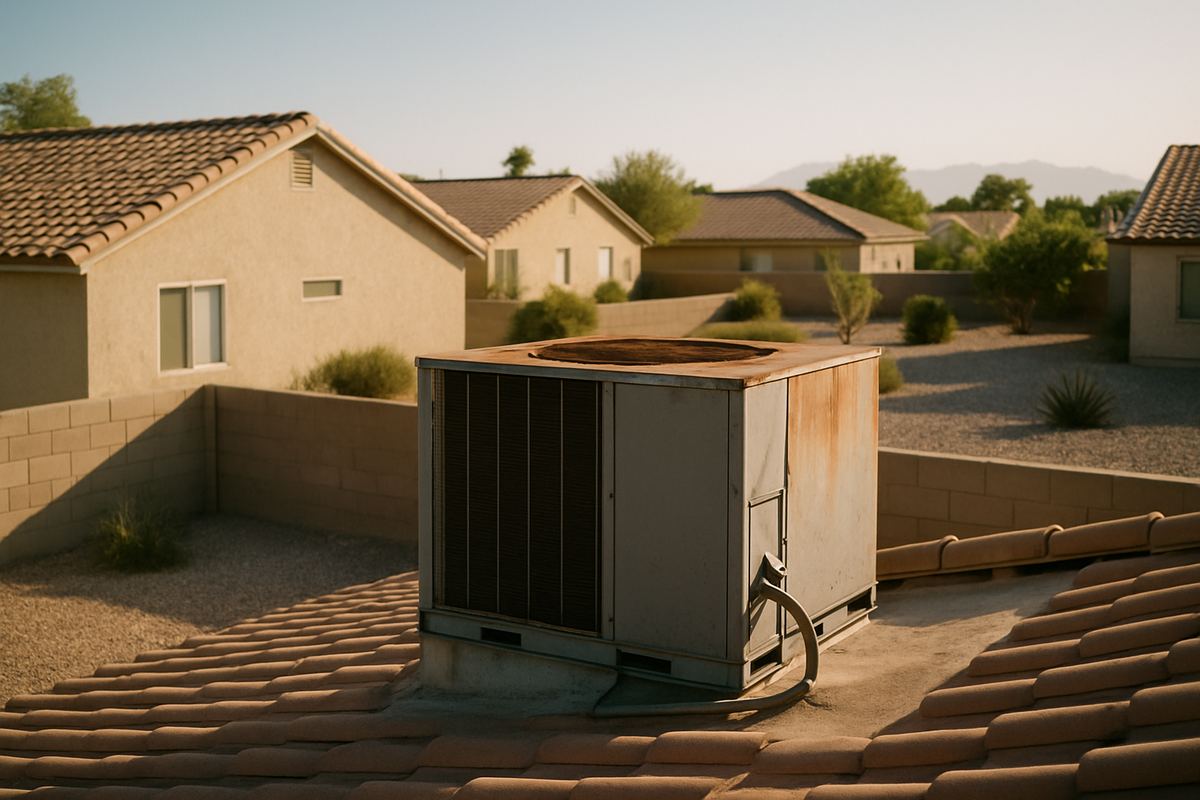
Desert houses fail in recognizable ways. Air conditioning systems work hard for months at a time, flat and tile roofs take years of sun, older homes can have galvanized or polybutylene supply lines, and slab leaks reveal themselves through a warm patch on the floor or a water bill that makes no sense. Pools, block walls, and garage doors add their own list. After a rough tenancy, interior damage can join the pile. Any one of these may be manageable. Several at once can make an owner ask whether the house still works as an investment.
As-is means as-is
We buy rentals in their current condition. You do not need to replace the system, get bids, clean out the garage, or patch walls before asking for an offer. That is one of the few things we can say plainly about every deal.
Damage versus wear
After a tenant moves out, it helps to separate normal wear from actual damage. Faded paint and worn carpet after several years are expected; holes in walls or a broken cabinet usually are not. That distinction matters for the deposit accounting under Nevada law, and it matters to you emotionally, because worn is not the same as wrecked. Either way, we buy the house in whatever condition it is in.
If a tenant lives there, repairs are not optional yet
Choosing to sell does not pause a landlord's obligations. Nevada's habitability statute, NRS 118A.290, lists basics a rental must maintain, such as weather protection, working plumbing, hot and cold running water, adequate heating, and safe electrical systems. A separate section, NRS 118A.380, addresses what happens when a landlord fails to supply essential items like heat, air conditioning, water, or electricity after written notice from the tenant. Until closing, those duties are yours. You can read both sections in the text of NRS chapter 118A.
Fix what affects health and safety
A practical line many owners use: handle anything that makes the house unsafe or unlivable now, such as no cooling in summer, no water, or a dangerous electrical issue, and leave cosmetic or long-term items for the buyer. Get advice from a Nevada attorney if you are unsure where a specific problem falls. Never use a needed repair as leverage to get a tenant to leave.
Repair requests in writing
If a tenant has sent a written repair request, keep it with your records and respond in a timely way. Nevada's remedies for tenants often turn on written notice and the landlord's response, so a clear paper trail protects both sides. Selling soon is not a reason to ignore a request that affects whether the home is livable.
Repairs and the decision to sell
| Situation | Typical owner question |
|---|---|
| One large system failing | Fund it and keep renting, or sell before the next one fails? |
| Damage after a move-out | Rebuild for a new tenant, or let a buyer take it on? |
| Old plumbing or roof on an older tract home | Is a full replacement worth it for the remaining hold? |
| Open HOA or housing authority items | Can the house sell with violations or inspection items pending? |
None of these has a universal answer. What we can offer is a written as-is number to weigh against the repair bids.
Getting bids without committing
It is reasonable to collect one or two repair bids and our as-is offer at the same time. Seeing both side by side tends to make the choice obvious. Some owners fix the urgent item, keep renting for another year, and sell later; others decide the house has given them what it can. Our page for landlords who want out of the business covers that bigger question, and the guide to selling an occupied rental explains how the lease carries over if someone is still living there.
Selling a rental that needs work
- Tell us what you know is wrong, including anything a tenant has reported in writing.
- Take care of any urgent health or safety item for an occupied house so the tenant is not left without basics.
- Allow one walk-through, with 24-hour notice to the tenant if occupied, so we can see the condition ourselves.
- Receive a written as-is offer, compare it with your repair bids, and choose your closing date if you accept.
For more on escrow and title, see how the sale moves from offer to recording.
If the house is occupied, the walk-through is also a chance to confirm that any urgent problem has actually been resolved, which protects the household and gives everyone a clearer view of what remains for the next owner.
Older neighborhoods, related situations
Major repairs come up most often in the older single-story tracts covered on our East Las Vegas rental houses page and the older homes near campus in the Paradise and UNLV-area rentals guide, though newer homes have their own failures too. If the house is empty after a damaging move-out, our notes on deciding what to do with an empty rental apply. Voucher homes facing inspection items are covered under selling a Section 8 rental house. Short answers are on the as-is selling FAQ.
Newer homes are not immune. Builder-grade water heaters, air handlers, and irrigation systems in houses from the last couple of decades are reaching the age where replacements cluster, and an owner who bought a newer rental expecting low maintenance can be surprised. The same as-is approach applies to those houses as to older ones.