Why distance changes the math
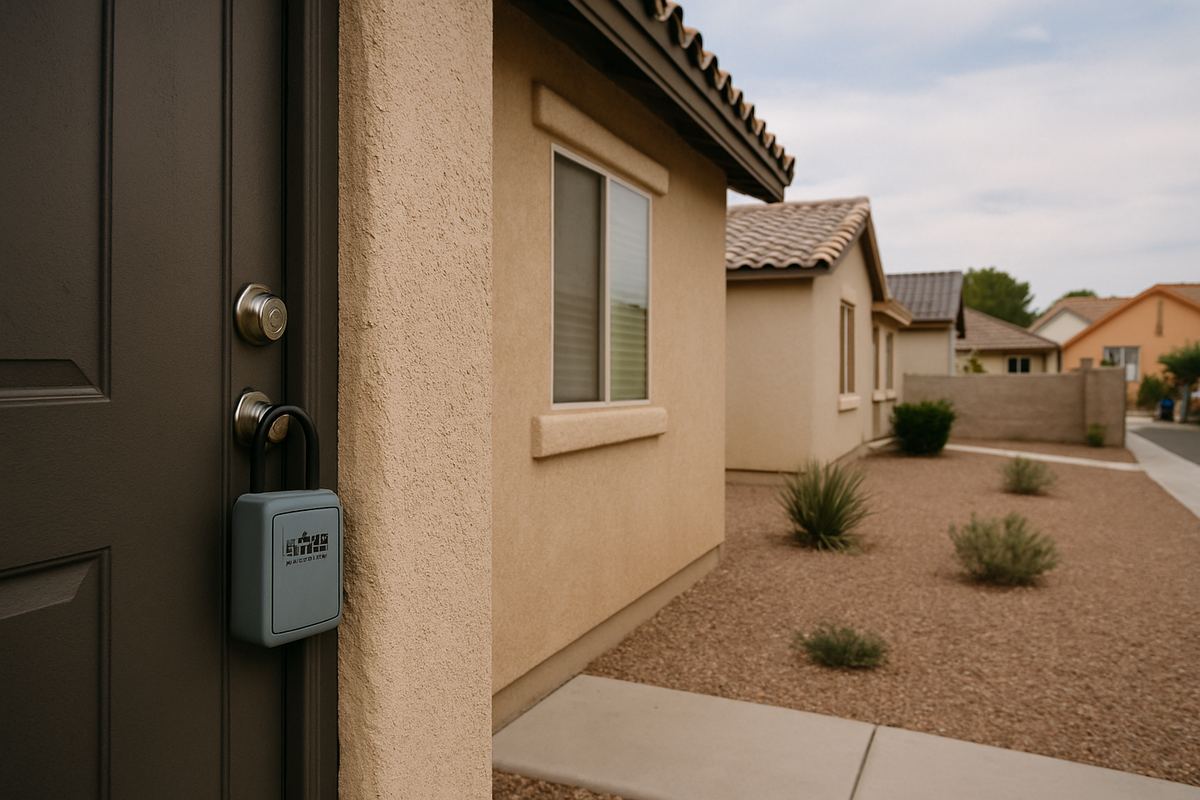
Owning a rental a flight away means relying on other people's eyes. A manager's report says the air conditioning was replaced, a vendor invoice says the roof was patched, and you approve both without seeing either. Owners in that position often tell us they have stopped knowing what the house actually looks like. That uncertainty is a perfectly good reason to sell, and we buy as-is precisely so you do not need to fly in and inspect it first.
Common reasons remote owners sell
- A job relocation turned a temporary rental into a permanent obligation.
- An inherited house in the valley no one in the family wants to manage.
- Rising costs from a manager, an HOA, or insurance with no one local to push back.
Inherited rentals
When a valley rental passes through an estate, the person who can sign may not be obvious. Probate, a trust, or a small estate procedure each affects who has authority to sell and when. Sort that out with the estate's attorney or the title company before accepting any offer, and keep paying attention to the tenant's lease in the meantime, because the tenancy does not end because an owner passed away.
Your property manager and the agreement you signed
In Nevada, a broker who manages your rental generally works under a written property management agreement, and NRS 645.6056 requires that agreement to spell out key terms, including the circumstances under which either side can cancel. The statute does not set one cancellation rule for everyone; your agreement does. Before you list or sell, read the term, the notice period, any termination fee, and any clause about commissions if the property sells or is sold to a tenant. Ask the manager in writing for the tenant ledger, the deposit amount, and the lease file.
Ending the arrangement cleanly
Give whatever written notice the agreement requires, and coordinate the end date with closing so rent collection and repair calls are never orphaned. Confirm who is holding the security deposit, because it has to be accounted for and transferred under NRS 118A.244. The statute text is in Nevada's chapter on real estate brokers, NRS 645.
Keys, codes, and access
Remote owners often find the manager has the only keys, garage remotes, gate codes, and HOA portal login. Ask for an inventory before the agreement ends.
If the manager has been a good partner, say so and give them a clean handoff date. If the relationship has soured, keep every request in writing and stay polite. Either way, the tenant should not feel the change in management as a gap in repairs or a missed rent receipt.
Selling with a tenant you have never met
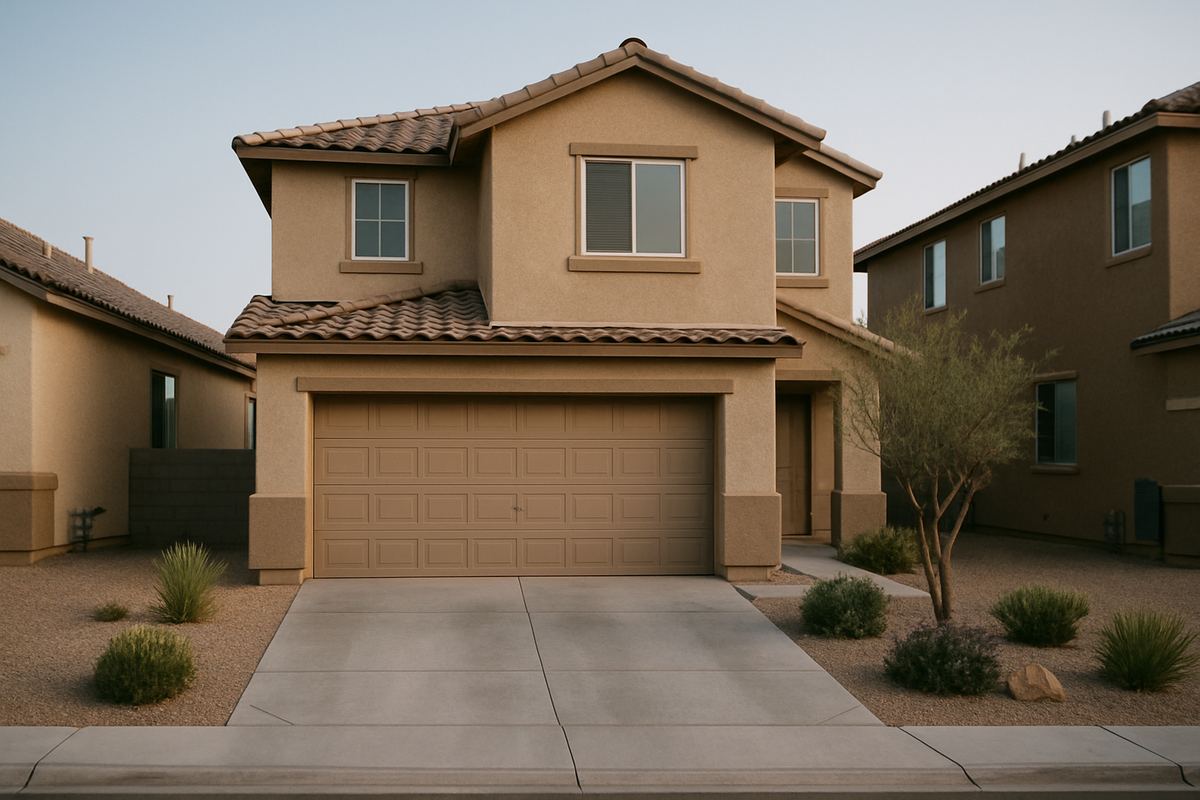
Many out-of-state owners have never spoken with the people living in their house. That is fine. The lease generally continues after a sale under Nevada law, and the tenant's day-to-day life should not change because the owner did. Entry for a walk-through still requires proper notice, which your manager can give. Details are on our page about selling while a lease is still in effect. If the manager reports serious friction with the household, read how we handle a sale with a troubled tenancy before deciding anything.
Getting a second set of eyes
If you are not sure the manager's reports match the house, ask for current photos of each room, the yard, and the air conditioning unit before you decide anything. A single walk-through by us, with proper notice to the tenant, also gives you an independent view of condition without obligation.
A remote sale from start to finish
- Send the address and your manager's contact details, and tell us whether the house is occupied.
- We coordinate a single walk-through with your manager or a lockbox, never by surprise.
- You receive a written as-is offer you can review and sign electronically from wherever you live.
- You pick the closing date and sign closing documents with a mobile notary or as the title company directs.
- Escrow handles the deposit transfer and rent proration, and the tenant gets written notice of the new owner.
The fuller sequence is laid out in our step-by-step sale process.
Tax and timing questions to raise early
A sale from out of state can involve Nevada property and federal tax questions, and some owners consider a 1031 exchange into property closer to home. Those choices belong to you and a CPA, and an exchange generally has to be structured before closing. We are not tax advisers; we can only match the closing date you need.
Houses we often hear about from afar
Remote owners frequently hold newer homes in master-planned areas like those on our Enterprise rental homes page or a former residence in the established tracts covered in our Spring Valley rentals guide. If your house has gone a few years without anyone checking it, our page on rentals that need major work may be relevant, and owners simply ready to leave the business can see a straightforward exit from landlording. Short answers are on our remote seller FAQ.
One more practical point for owners far away: time zones and work schedules can stretch out signatures more than any legal step does. Let the title company know early when you are available, keep your identification handy for the notary, and ask how and when proceeds will be sent to you. Those small details often decide whether a remote closing feels smooth or drawn out.