Spring Valley
West of the Strip, county-governed, and full of decades-old stucco homes that have housed tenants through many turnovers.
You do not have to empty a rental, repaint it, or chase a perfect listing to sell it. We buy single-family rentals and small multi-unit houses across the valley as they stand, and we work around the people who live in them.
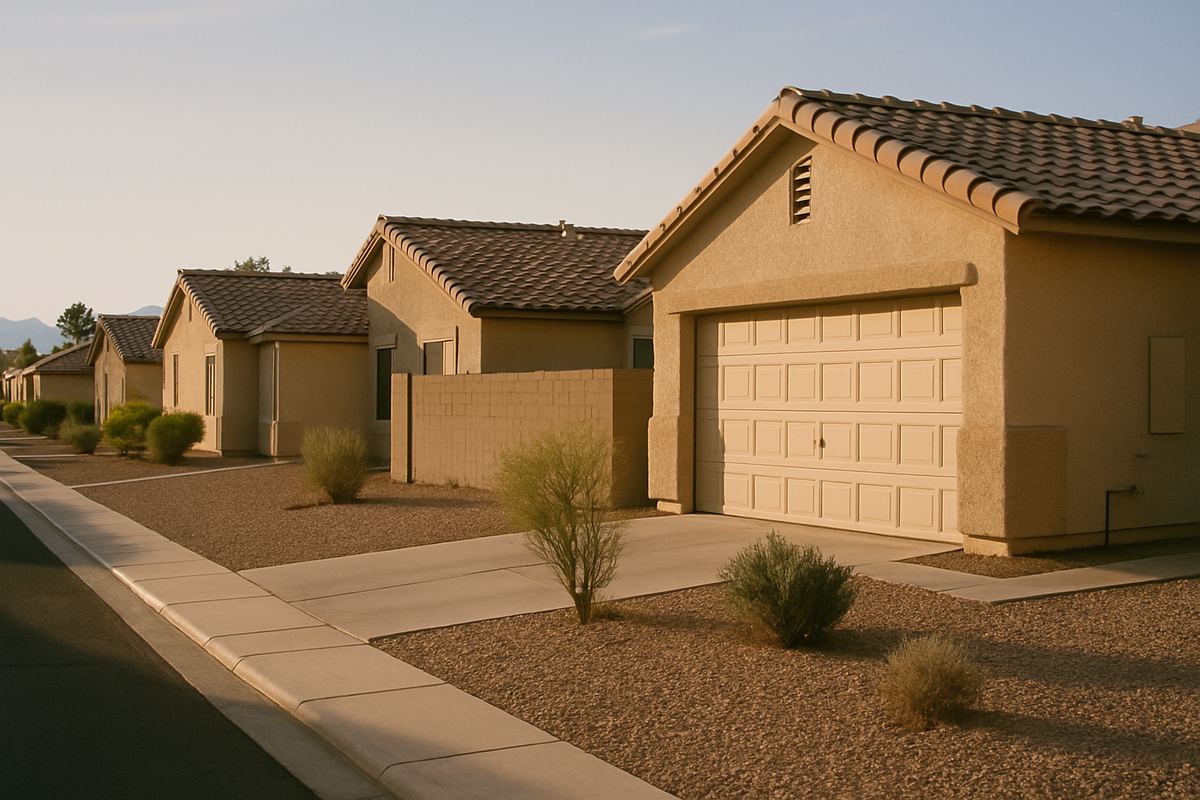
Most home buyers want an empty house, fresh paint, and a move-in date that lines up with their own lease ending. A rental rarely fits that picture. There is a tenant with rights, a lease that may run for months, a deposit sitting in a trust account, and often a list of deferred repairs that nobody wants to tackle while someone is living in the place. We focus on that exact kind of house. We are a direct cash buyer, which means we purchase the property ourselves instead of listing it, and we are set up to take on an occupied home without asking you to clear it out first.
We look at single-story stucco ranches from the 1970s and 1980s, two-story tract homes from the building boom of the 1990s and 2000s, duplexes, and houses that have cycled through several tenants and show it. If the roof is tired, the carpet is worn through, or the kitchen still has its original laminate, that is fine. Buying as-is is the point. You can browse the specific landlord situations we buy in to find the one closest to yours.
We buy throughout Clark County, from the older blocks east of the Strip to the newer master-planned streets in the southwest and southeast. Our guide to rental areas across the valley covers each part of town in more depth, including Spring Valley rental houses, Henderson rentals inside HOA communities, and North Las Vegas investment homes. Each of those communities has its own jurisdiction, HOA patterns, and housing eras, and those details shape how we evaluate each rental we walk.
Seven landlord situations, one row each. Every row opens a page written for that case.
Keep the lease, keep the rent coming, and sell the house anyway. How an occupied sale works under Nevada rules.
Behind on rent, lease violations, or a case already filed. Sell the house without shortcuts and without leaning on anyone.
The last tenant moved out and the carrying costs keep running. Decide whether to turn it over again or sell as-is.
Years of maintenance calls and turnovers add up. Step away from the rental with the lease honored and no repairs first.
A voucher family in the house and a HAP contract on file. How the sale, the lease, and the housing authority fit together.
You moved, the house stayed. Sell the rental remotely, wind down the manager agreement, and keep the tenant informed.
Dead AC, roof wear, plumbing trouble, or damage after a move-out. Sell without fixing it, while meeting your duties to the tenant.
One of the first decisions a landlord faces is whether to sell with the tenant still living there or wait until the unit is empty. Neither is automatically better. The right answer depends on the lease, the tenant, the condition of the house, and how much carrying cost you can stand. The table below is a plain comparison, not a recommendation.
| Factor | Selling occupied | Selling vacant |
|---|---|---|
| Rental income | Rent keeps coming in until closing | No rent while the house sits empty |
| Showings and access | Entry needs advance notice and cooperation | Access whenever it suits you |
| Buyer pool | Mostly investors and direct buyers | Owner-occupants and investors |
| Repairs before sale | Hard to schedule around a household | Easier to schedule, but you pay for them |
| Lease and deposit | Lease and deposit pass to the buyer | Deposit settled with the departing tenant |
| Risk of damage while waiting | Depends on the tenant | Vacancy brings its own break-in and upkeep worries |
If the tenant pays on time, the lease has a while to run, and you would rather not lose months of income to turnover, selling occupied is often the calmer route. Our page on selling a house with the tenant still living there walks through how that usually goes.
On the other side, if the last tenant already moved out, or the lease ended naturally, there is no reason to rush a new one in. A vacant rental sitting between tenants can be inspected and closed on without coordinating anyone else's schedule.
Starting does not take a showing, an empty house, or a conversation with your tenant. Send the address and a line or two about the lease. We follow up with a few questions before any talk of price, and nothing you send commits you to selling.
Useful to have nearby, though none of it is required:
Rather speak with someone first? Tap TALK TO ALEX, the red button in the corner of your screen.
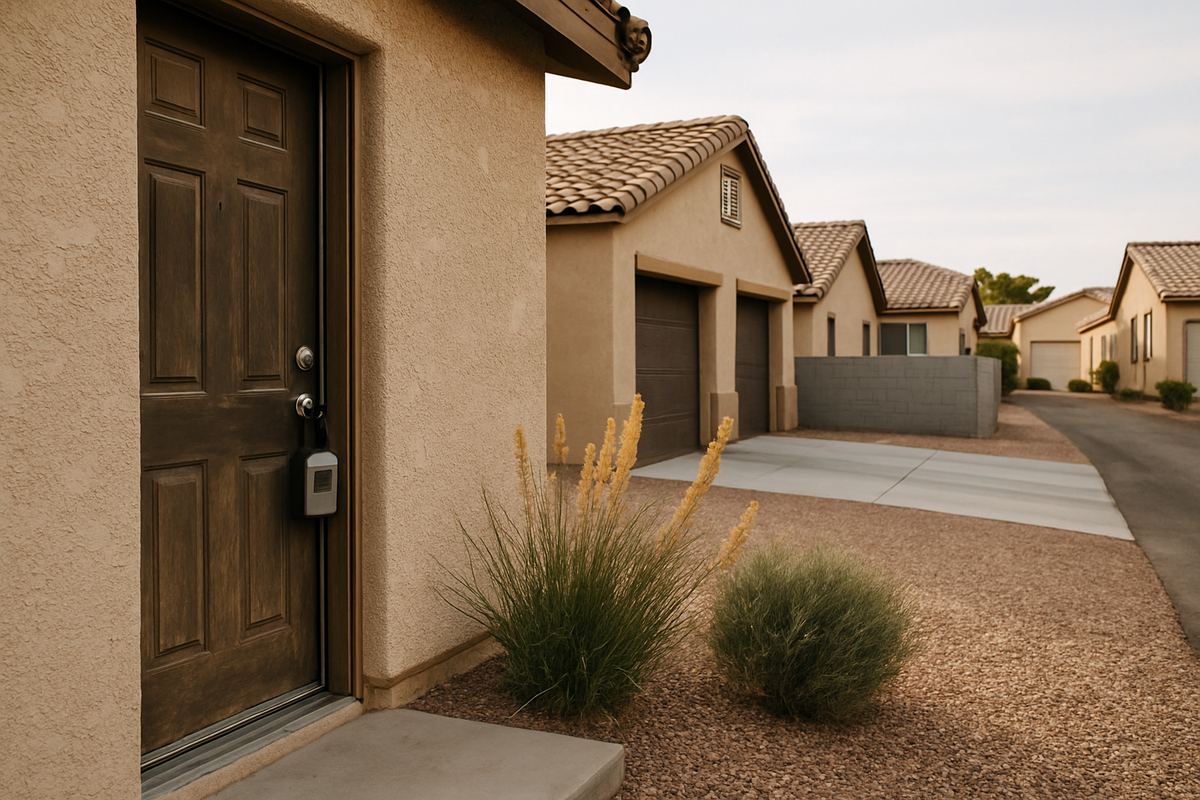
Landlords ask about this more than anything else, so here is what we understand about how it generally works in Nevada. This is general information, not legal advice. Every lease is different, and if your situation is unusual, a Nevada attorney is the right person to ask.
As a general rule, a sale does not cancel an existing lease. The buyer usually steps into the landlord's position and takes the property subject to the tenancy, so a tenant with a fixed term can typically stay through that term on the same rent and conditions. Some leases contain clauses that address a sale, so we read yours early and plan around what it actually says. A month-to-month arrangement is different and can be ended by proper written notice, which in Nevada is generally thirty days for a monthly tenancy.
Nevada's landlord-tenant chapter, NRS Chapter 118A on residential tenancies, addresses this directly. Once a sale ends an owner's interest in the rental, that landlord is expected to either transfer the remaining deposit to the new owner and tell the tenant in writing who that new owner is, or return the deposit to the tenant. The statute also points to handling the deposit in writing before the deed is recorded, and it bars the new owner from demanding an additional deposit during the existing lease. We build that transfer into the closing paperwork so it is documented, not an afterthought. Our step-by-step rental sale process marks the point where it happens.
Nevada law generally requires at least 24 hours of notice before a landlord enters, outside of emergencies, and entry is meant to happen at reasonable times. Showing a house to a prospective purchaser is one of the recognized reasons for entry. We usually need only one walk-through, scheduled with proper notice, and sometimes photos or a video tour are enough to start. Voucher tenancies add a housing authority to the picture; the Section 8 rental page explains what changes when a new owner takes over.
A tenant did not choose to have the house sold out from under them. We think the sale goes better for everyone when they are treated like neighbors rather than obstacles. We do not ask landlords to pressure tenants to leave, we do not offer advice on how to get around the protections Nevada gives renters, and we do not show up unannounced.
In practice, fair treatment looks like this:
Sometimes the tenant is the reason you want out. Late rent, damage, or a lease violation can make a house feel impossible to own. We still buy those houses, and we still will not coach anyone through an eviction. If an eviction is already underway, that runs through the justice court on its own track. Our page on selling when a tenant has become a problem covers how a sale can sit alongside that, and the page for the landlord who is simply worn out covers the quieter version of the same feeling.
Six parts of the valley where we look at rental houses most often, each with its own page of local notes.
We would rather tell you three things that are true than ten that sound good. These are the reasons a direct sale to us can make sense, and they are the only promises we make.
We pay cash and take the rental exactly as it sits today. Landlords do not clean, patch drywall, replace flooring, or fix the cooler on the roof. That matters most for a rental that needs major repairs, where the work would otherwise cost time you may not have.
Some landlords want to close quickly; others want to line the sale up with a lease end, a property manager's notice period, or a 1031 exchange timeline they are working out with their own tax adviser. The landlord sets the date, and we plan our side around it. Since we buy the rental directly, no listing-side commission is owed on our end of the transaction.
We know how Clark County, plus the cities of Las Vegas, Henderson, and North Las Vegas, each handle their own pieces of the process, and we know the valley's neighborhoods by more than a map. That helps most when you live elsewhere; an out-of-state landlord selling a Las Vegas rental can handle nearly everything remotely. You can also read who we are and how we work before deciding anything.
Rentals near the university have different rhythms than rentals in a newer HOA tract. Houses in Paradise near UNLV often see shorter tenancies and more wear, while older blocks in East Las Vegas and Sunrise Manor tend to have long-term tenants and original finishes. Further southwest, Enterprise rentals in newer subdivisions usually come with HOA rules about leasing that a buyer needs to review.
If you still have questions about leases, deposits, property managers, or vouchers, the landlord questions and answers page collects the ones we hear most. When you are ready, the form to request a cash offer on your rental asks for the address and a few details about the tenancy, and nothing you send commits you to selling.
Generally, yes. A sale does not usually end an existing lease, so the buyer takes over as landlord and the tenant can typically stay through the remaining term. We buy occupied houses regularly and plan the walk-through around proper notice. Read your lease first, since some include language about a sale, and speak with a Nevada attorney if anything in it is unclear.
Under NRS 118A, once a sale ends an owner's interest in the rental, that landlord should either transfer the remaining deposit to the new owner and notify the tenant in writing, or return it to the tenant. We document that transfer as part of closing so the tenant knows exactly who holds their deposit afterward. This is general information rather than legal advice.
No. We take rental houses in their present condition, so you are not expected to repair, repaint, replace flooring, or clean out anything left behind. That is especially useful when a tenant still lives there and scheduling contractors would be difficult. Whatever condition the house is in when we walk through it is the condition we account for in our offer.
Selling the rental straight to us involves no listing agent, so no listing-side commission comes out of your proceeds on our end. You may still have ordinary closing costs, and if you have a property management agreement, it may include its own terms about a sale or termination. We suggest reviewing that agreement early so there are no surprises before closing.
We avoid quoting a set count of days, since every title, lease, and tenancy is different. What we can say is that the landlord names the closing date and our team plans the sale around it. Some landlords want speed; others want to wait for a lease end or coordinate with a 1031 exchange that their own tax adviser is handling.