The decision a turnover forces
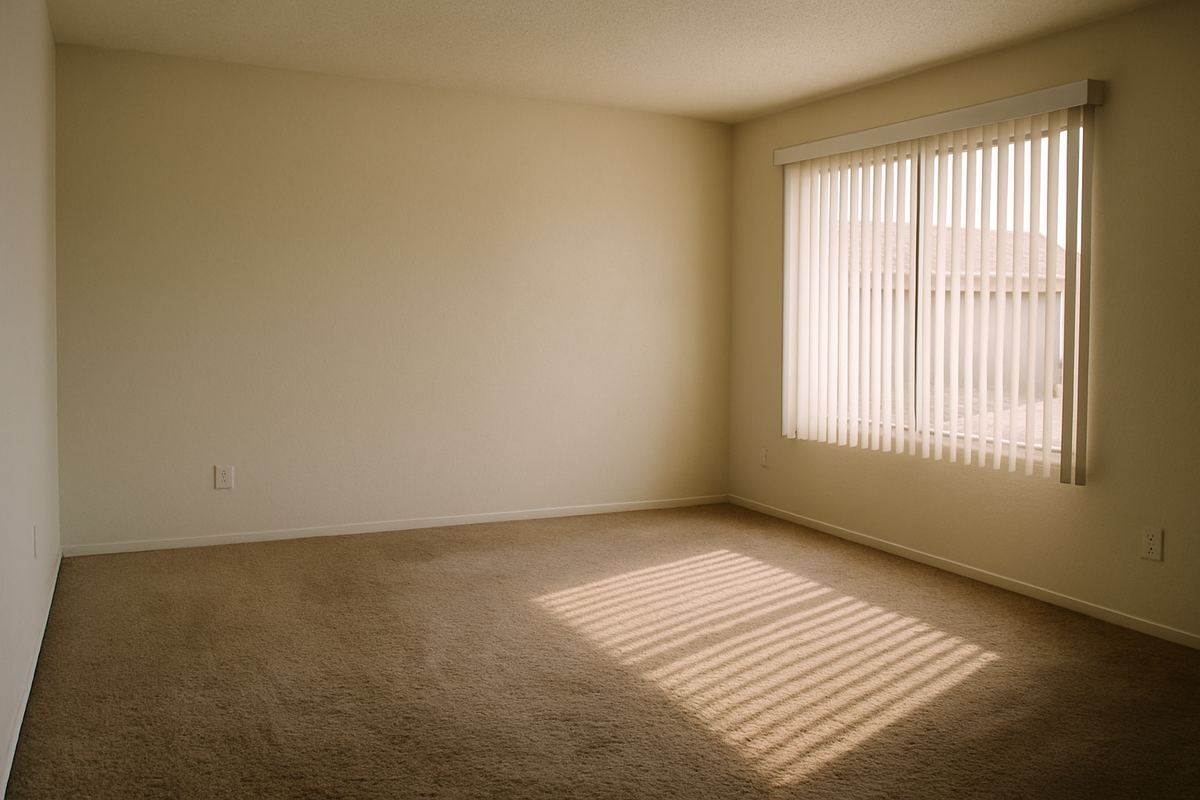
When a tenant leaves, you inherit every bill the lease used to offset: mortgage, insurance, HOA dues if the house has them, utilities to keep the yard and the air conditioning alive, and the make-ready work before the next showing. Most landlords re-rent by habit. Some realize the vacancy is the cleanest exit they will ever get, because there is no lease to work around and no one to disturb.
Questions worth answering honestly
- Would you buy this house today as a rental if you did not already own it?
- Is the next turnover going to need the same work this one does?
- Do you want to screen another applicant and sign another twelve months?
There is no wrong answer, but there is a cost to drifting into the next lease without asking.
Vacancy also changes your insurance picture. Many landlord policies treat a home that sits empty for an extended stretch differently from an occupied one, and some limit coverage for certain losses after a set period of vacancy. Read your policy or ask your agent how long the house can sit before that matters, especially if you expect a long make-ready or a slow listing.
Before you hand back the deposit
Nevada has specific rules for returning a security deposit after move-out, including a deadline and an itemized accounting of any deductions, found in NRS 118A.242. Those rules apply whether you keep the house or sell it, so finish the deposit accounting on its own schedule. If you are unsure what is deductible, the statute and the court self-help resources are the place to check, not a buyer.
Documenting condition
Photos taken at move-out help you with the deposit and help any buyer understand what they are looking at. They also keep the conversation with your former tenant grounded in facts rather than memory.
If the former tenant disputes a deduction, keep the conversation in writing and stick to the records. A fair, documented accounting closes out the tenancy properly and leaves nothing hanging over the house when it changes hands, which matters to you whether you sell next month or next year.
Skipping the make-ready entirely
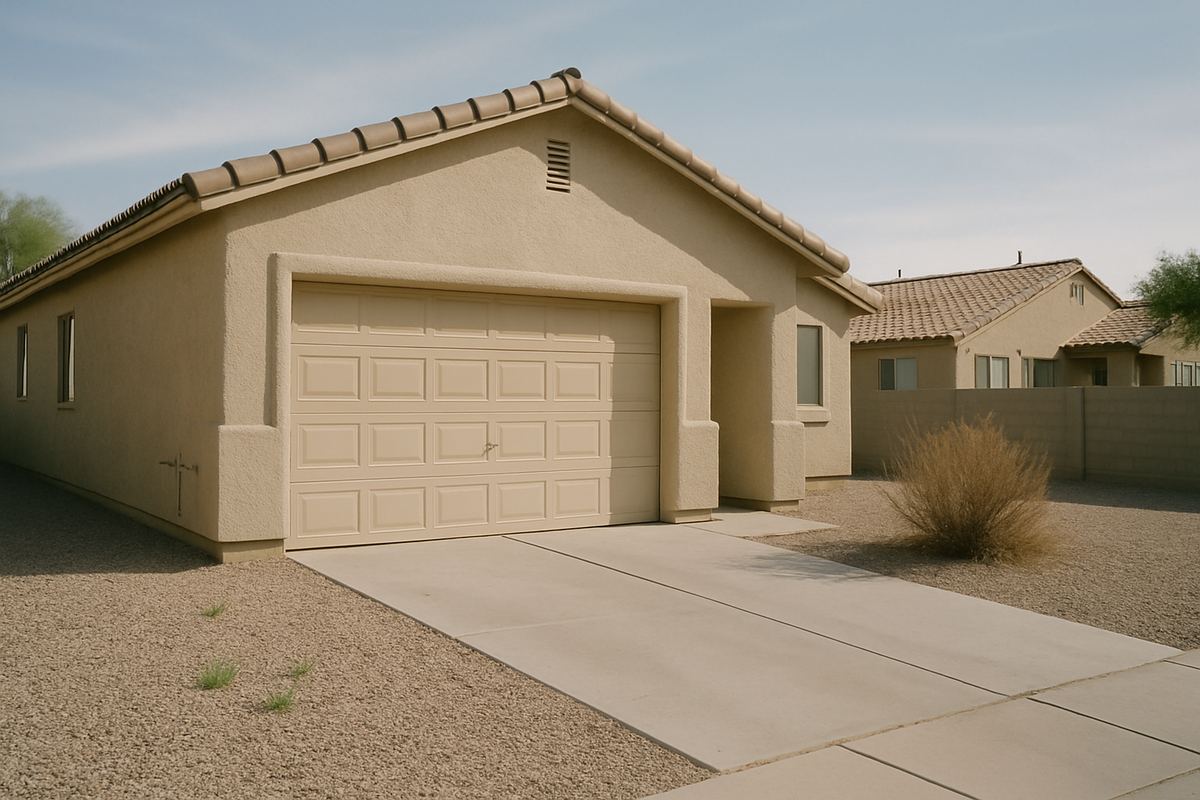
A retail listing usually means cleaning, patching, paint, carpet, maybe a new water heater, then photos and weeks of showings while the utilities stay on. We buy as-is, so the work that would have gone into getting the house ready for a stranger can stay undone. That includes a stained kitchen, an overgrown gravel yard, a garage full of whatever the last occupant left, and a pool that went green. No listing-side commission comes out of a direct sale, and the landlord sets the closing date.
Vacant homes and the desert
An empty house in the valley can get into trouble quietly: a slab leak no one hears, a dead air conditioner in July, or an HOA notice about the yard that lands in a mailbox no one checks. If any of that has already happened, our page on selling a rental with big repair needs is the better starting point.
What the last tenant left behind
Abandoned furniture, boxes in the garage, or a broken-down vehicle in the driveway are common after a move-out. Nevada has rules about how a landlord handles a former tenant's personal property, so do not assume everything left behind can simply go to the dump on day one. Check the statute or ask an attorney about the steps that apply, then tell us what remains. Because we buy as-is, any leftover items that are lawfully yours to dispose of can stay with the house at closing, and you do not need to rent a dumpster or hire a crew before we make an offer.
Selling the empty house to us, step by step
- Send the address and a quick description, along with move-out photos if you have them.
- We arrange access at a time that suits you, using a lockbox if you are not nearby.
- You receive a written as-is cash offer, with no cleaning or repairs requested.
- Pick a closing date. Keep the utilities on until then so the house stays protected.
If you want more detail on escrow and title, read what happens between offer and closing.
Because no one is living in the house, scheduling is usually the easiest part of the whole sale. The bigger question is simply whether you want to own the home through another lease. Take a day to think it over; an empty house is easier to sell next week than it is to un-rent after a new tenant signs.
If you are leaning toward one more lease
That is a reasonable choice, especially if the rental is in good shape and you enjoy the landlord work. Keep in mind that a new lease will generally carry over to any future buyer, so if you think you may sell within a year, consider the lease length and whether month-to-month makes sense. Our page about selling a home that already has a renter explains how that later sale would work.
Where empty rentals show up
Turnovers happen across the valley, but we hear about them often in the established tracts covered on our Spring Valley rental houses page and the HOA-heavy subdivisions in our Henderson investment homes guide. If managing the next turnover from out of state sounds like more than you want, see selling a valley rental from far away.
Still deciding
Short answers on timing, title, and HOAs live on the questions landlords ask before selling page, and the full list of rental owner scenarios may match your situation more closely.