Sorting out where you stand
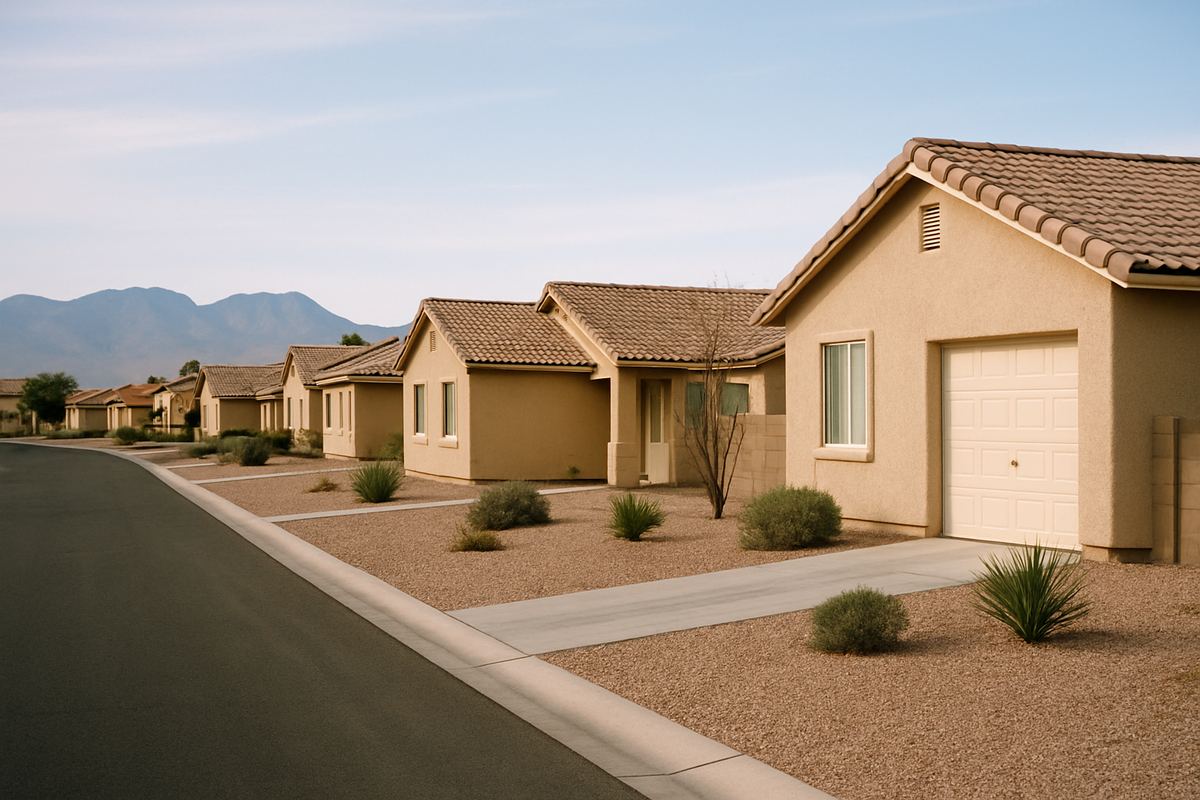
Two owners can both say they want to sell a rental and mean completely different things. One has a reliable tenant and simply wants out of the business. Another has an empty house with a dead air conditioner and an HOA letter on the counter. The legal basics differ too: a lease in force, a month-to-month tenancy, a voucher contract, or a property management agreement each brings its own steps. These pages are written landlord to landlord, with general information rather than legal or tax advice, and with the tenant's side treated fairly throughout.
What stays constant is how we buy rentals: as-is, for cash, with nothing for the landlord to fix or clean, no listing-side commission, and closing on the date you set. The general sequence is on our page explaining the sale process.
A few principles run through every page here. We buy houses with tenants in place, so no one has to be moved out for a sale to happen. Nevada law sets notice periods, deposit rules, and habitability standards that apply until the day the deed records, whoever the buyer is. And anything touching taxes, evictions, or estates deserves a conversation with a licensed professional before you sign.
- UNIT 01
Tenants in Place
Keep the lease, keep the rent coming, and sell the house anyway. How an occupied sale works under Nevada rules.
- UNIT 02
Problem Tenant
Behind on rent, lease violations, or a case already filed. Sell the house without shortcuts and without leaning on anyone.
- UNIT 03
Vacant Rental
The last tenant moved out and the carrying costs keep running. Decide whether to turn it over again or sell as-is.
- UNIT 04
Tired Landlord
Years of maintenance calls and turnovers add up. Step away from the rental with the lease honored and no repairs first.
- UNIT 05
Section 8 Rental
A voucher family in the house and a HAP contract on file. How the sale, the lease, and the housing authority fit together.
- UNIT 06
Out-of-State Owner
You moved, the house stayed. Sell the rental remotely, wind down the manager agreement, and keep the tenant informed.
- UNIT 07
Major Repairs
Dead AC, roof wear, plumbing trouble, or damage after a move-out. Sell without fixing it, while meeting your duties to the tenant.
When people still live in the house
Selling with tenants in place
Nevada generally carries a lease forward to the new owner after a voluntary sale, and entry for showings needs proper notice. Our guide to selling a rental with the tenant staying covers the 24-hour entry rule and the security deposit transfer at closing.
A tenancy that has gone wrong
Late rent, lease violations, or a filed case can still lead to a sale, but only through lawful steps. The page on selling during a difficult tenancy gives a high-level view of Nevada's summary eviction process and why self-help is off the table.
Voucher tenancies
Homes rented through the Housing Choice Voucher program involve a HAP contract and the Southern Nevada Regional Housing Authority. Read how a Section 8 rental sale works for the consent and notice steps and why the voucher stays with the family.
When the house or the owner is the issue
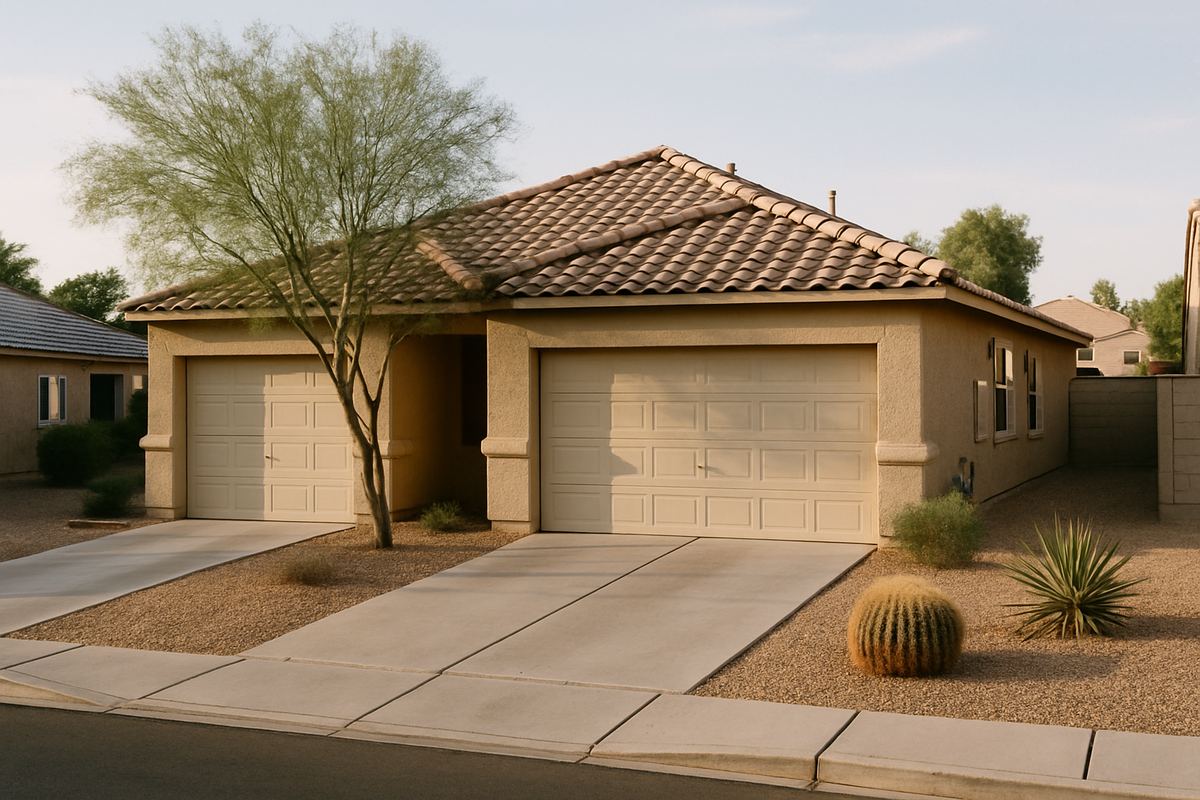
An empty rental between leases
A turnover is a natural moment to decide whether you want another lease. The vacant rental decision guide compares re-renting with selling as-is and reminds owners to finish the deposit accounting on its own timeline.
Burned out on landlording
Repair calls, turnovers, and rising costs add up. Our page for owners ready to stop renting lays out the realistic exits and notes that 1031 exchange questions belong with a CPA.
Living far from the property
Remote owners often depend on a manager and have never met the tenant. See selling a valley rental while living elsewhere for property management agreement cancellation terms, keys, and remote signing.
Repairs larger than the budget
From failing AC to slab leaks, desert houses wear in familiar ways. The page on rentals with expensive repair needs explains Nevada's habitability duties while a tenant still lives there and how an as-is sale works.
Where in the valley your rental sits
Every corner of the valley brings its own rental housing stock, HOA patterns, and local government. If you would rather start from the map, the rental areas overview links to every neighborhood page we cover. Common questions about title, timing, and tenants are on our landlord FAQ.
If more than one situation fits, start with the one that worries you most. A tenant in place, a repair list, and an owner who lives in another state can all be true at once, and each page cross-references the others so you can piece the full picture together without reading everything twice.
None of these pages replaces a lawyer, a CPA, or the housing authority. They are a starting point for a better conversation with them.